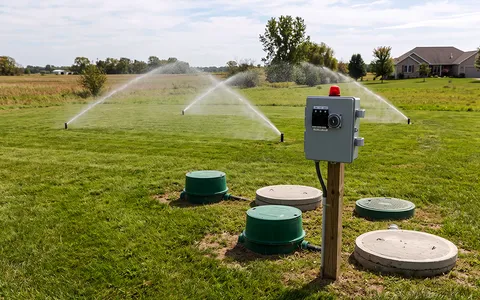
In Tennessee you need a TDEC construction permit to install a new septic system, and a repair permit to replace a failed one. Both start with a soil evaluation by a state-approved consultant, and the work has to be done by a licensed installer.
Who regulates septic in Tennessee
Onsite septic, what the state calls a subsurface sewage disposal system (SSDS), is regulated by the Tennessee Department of Environment and Conservation (TDEC). TDEC runs the program through its regional field offices, so permits and inspections are handled close to home even though the rules are statewide. That is worth knowing, because in many states the county health department owns the whole process. Here it runs through the state.
When you actually need a permit
You need a construction permit before you install a new system, and a repair permit before you replace or alter a failing one. A routine pump-out does not require a permit. Adding a bedroom, replacing a drain field, or relocating a tank does. If you are buying land to build on, get the soil work and permit sorted before you close, because not every lot will pass.
The soil comes first
Before a construction permit is issued, the site has to be evaluated. An approved soil consultant checks the soil type, depth and drainage to decide whether the ground can treat wastewater and what kind of system it will take. Across the ridges and hollows of East Tennessee that answer changes from one lot to the next, which is why two neighbors can end up with very different systems and very different costs.
Licensed installers and pumpers only
Tennessee requires the work to be done by state-licensed contractors. TDEC keeps a statewide list of active installers and pumpers, and the septage pumped out of your tank has to be hauled and disposed of by a licensed pumper at an approved facility. That is the side of it we handle: pumping, and proper disposal.
Setbacks and siting
State rules set minimum distances between a septic system and things like wells, streams, property lines and the house. The exact figures depend on the system and the site, and your soil evaluation and permit will spell them out for the property. The short version is that a system needs enough suitable ground, in the right place, before it can be approved.
Selling a home
Tennessee has no blanket rule requiring a septic inspection before a sale. In practice the buyer or their lender usually asks for one, and it is a smart move on any home with a system. Pumping and inspecting the tank before you list takes a common closing-table surprise off the table.
Septic System Installation & Replacement in Knoxville, TN
New installs and full replacements: conventional and aerobic, permitted and to code.