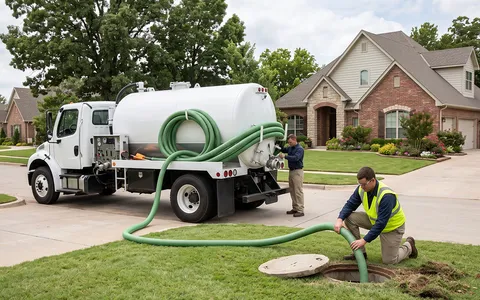
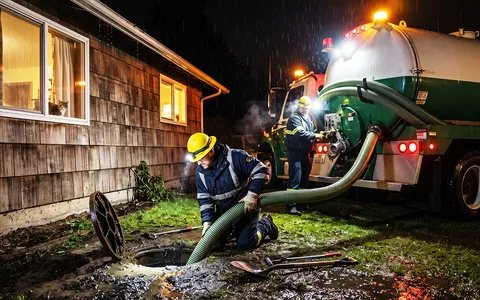
To prevent winter septic problems in Tennessee, keep the system used and insulated, protect aerobic components from freezing, and avoid compacting snow over the tank and drain field.
Winters in the Knoxville valley are milder than the Plains, so hard freezes are shorter here. The bigger risk is up in the Smokies: higher-elevation cabins get colder, and a vacant vacation rental with no water running can freeze a line before anyone notices. A little prep in the fall keeps small problems from becoming winter emergencies.
Before the first freeze
- Add a layer of mulch (8-12 inches) over the tank, lines and drain field to insulate the soil.
- Fix leaks. A dripping fixture can freeze inside a line during a cold snap.
- Pump if you’re due. Going into winter with an overdue tank invites a backup when the ground is frozen and repairs are hardest. Book pumping in fall.
During cold weather
- Keep using warm water normally: regular flow helps prevent freezing. For a cabin or rental that sits empty, that steady flow is exactly what is missing, so have someone check on it.
- Protect aerobic parts. Aerators, pumps and exposed spray lines are vulnerable; keep control-panel areas sealed and watch for alarms. See aerobic service.
- Don’t drive or pile snow over the tank or field: compaction reduces insulation and can crack components.
If a line freezes or backs up
Don’t pour boiling water or antifreeze into the system. Call for help. A frozen or backed-up system in winter can escalate fast. Our 24/7 emergency service is available all winter.
Septic Tank Pumping in Knoxville, TN
Routine pump-outs that keep solids from reaching your drain field and causing backups.