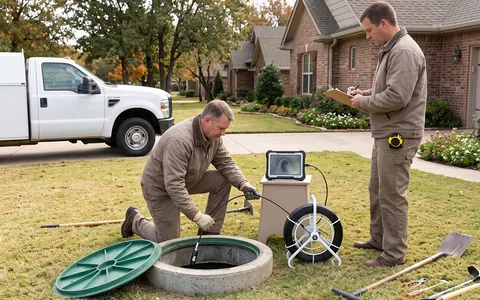
East Tennessee sits in the Valley and Ridge, a karst landscape of limestone bedrock, thin rocky soil, and a high water table. A septic drain field works by letting soil filter and absorb the water leaving the tank, so where the soil is thin over fractured rock, the field has less to work with and fails sooner than the same system would in deeper ground. That is why Knoxville-area systems need closer attention, and why a design that works elsewhere can fail here.
If you have owned a home somewhere flat and deep-soiled and then moved to the Knoxville area, your septic system is now living in a different world. The ground here is the reason, so it is worth understanding before a problem forces the lesson.
The ground under East Tennessee
Knoxville and the ridges and valleys around it sit in the Valley and Ridge province, a karst landscape. Under the surface is limestone, dissolved over time into fractures, channels, and the occasional sinkhole or spring. On the ridges the soil is thin and cherty, sitting close to rock. In the valleys it runs to clay. In much of Sevier, Blount, and the higher country toward the Smokies, there is only a shallow layer of soil over solid bedrock. The homes on septic here tend to sit on exactly that ground: the rural, ridge, and mountain lots outside the sewered valley, where the soil is thinnest and the rock is closest.
Why that matters to a septic system
A drain field is not a drain. It is a filter. The tank holds the solids, and the liquid that leaves it has to soak slowly down through soil, where natural filtering cleans it before it ever reaches groundwater. That process needs depth and the right kind of soil.
- Thin soil over rock gives the field little to work with. Effluent that should filter through feet of soil instead hits bedrock and spreads sideways, so the field saturates and surfaces sooner.
- A high water table leaves no room. When groundwater sits close to the surface, the soil under the field is already wet, and it cannot take much more, especially after the region’s heavy rains.
- Fractured limestone can move water too fast. Where rock is close and cracked, water can run off through fractures before it is fully filtered. That is why Knox County runs a groundwater protection program, and why a septic inspection and permit here take the soil seriously.
The practical result: a conventional trench field that would last decades in deep ground can struggle here. It is also why so many local systems use an aerobic or engineered design that treats the water more before it reaches the ground, and why a new system in this area starts with a real soil evaluation, not a guess.
What it means for you
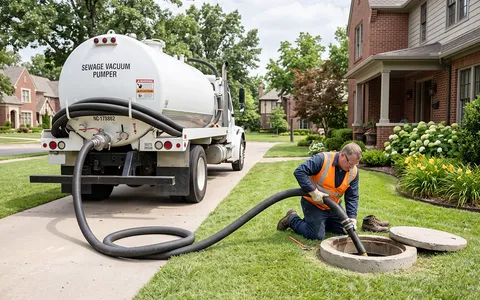
- Pump on schedule, and a little sooner than the brochure says. A field with less margin is less forgiving of a tank that has gone too long. Staying ahead with regular pumping protects the part that is hardest to replace.
- Watch the yard, not just the drains. Because thin soil surfaces water quickly, the first sign of a tired field here is often a wet spot or a smell in the yard rather than a slow drain inside.
- Get a real inspection before you buy. A system that looks fine can be one wet season from failing on this ground, so a proper inspection is worth far more here than a quick look.
- Cabins and rentals feel it first. A field sized for a family, hit by a full cabin of weekend guests, reaches its limit faster on thin soil than almost anywhere.
None of this means a septic system cannot thrive in East Tennessee. It means the ground gives you less margin for neglect. Understand it, pump on time, and get it looked at when the yard tells you something, and the system will do its job for a long time.
If you are not sure how your system is holding up on this ground, book an inspection.
Septic Inspection in Knoxville, TN
Thorough system inspections for real-estate transactions and routine peace of mind.